Are We Actually Better Off? Tiny House Budget vs Our Old Life

Eleven months ago, I was laid off, after 14 years at my job. I started documenting our journey via this blog - I think - to help process it all and figure out what to do next.
We sold our traditional 1950s house, moved into a tiny rental, and then into this 399-square-foot tiny house. From the outside, it’s easy to say, “You downsized, so of course you’re better off now.”
But is that actually true?
This week we decided to find out—by putting our old life and our tiny-house life up against some of the money “rules of thumb” you hear all the time and seeing where the numbers really land.
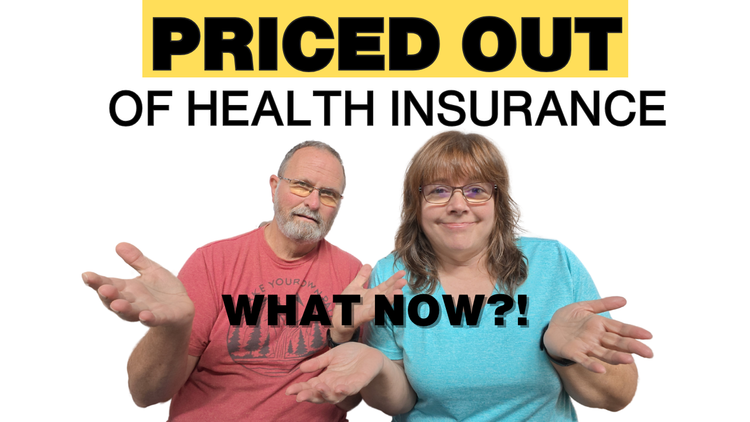
👉 The full breakdown is in this week’s video.
The Rules Everyone Talks About (But Real Life Complicates)
You’ve probably heard versions of these:
- Housing should be around 25–30% of your income
- Essentials (housing, utilities, basic transportation, groceries, insurance) shouldn’t eat your entire budget
- You still need room for savings, healthcare, and some actual enjoyment
On paper, our old life fit those ideals pretty well—for the income we had back then.
The catch?
Our whole setup assumed my paycheck and employer health insurance would just… keep going.
Once that disappeared, the math changed fast.
On my old employer plan, a big chunk of the true cost of health insurance never really showed up in our monthly budget. My employer covered my premium, and the part I paid came out pre-tax. In our heads, we were “just” paying for Bryan’s coverage.
Now that we’re on our own plan, those costs more than doubled—almost tripled–and health insurance takes up a bigger slice of the pie than housing.
So instead of only asking,
“Can we afford our house?”
we’ve had to start asking,
“Can we afford our house and the healthcare we’ll need?”
We also had to ask ourselves if the house was supporting our life, or if our life would be built around keeping the house and benefits.
Old House vs Tiny House: What Changed
In the video, we share the actual percentages, but here’s the big picture:
- In our traditional house, our housing percentage was reasonable for that income level.
- After the layoff, if we’d tried to keep that same house on a much lower income, our housing percentage would have shot up into the “risky” territory.
- By selling the house and using the proceeds (plus severance and savings) to buy the tiny house outright, we removed the mortgage and dropped our recurring housing costs way down.
That doesn’t mean everything is magically “cheap” now. It means:
- Housing is at a level that lines up with what we actually earn today
- Health insurance is now a major budget line that we have to respect just as much as housing
- The whole structure is built to handle income that looks more like self-employed midlife experiment and less like steady corporate paycheck
The video walks through what our housing percentage used to be, what it would have looked like if we’d stayed in the old house after the layoff, and what it is now in the tiny house.
The Small Decisions That Quietly Matter
The big move—selling the house and moving tiny—gets most of the attention.
But for us, the small, mostly unglamorous decisions are what keep the numbers from slipping out of alignment:
- Selling a car.
My mom bought our Subaru, and that one choice cut our auto insurance roughly in half, until we find and purchase a used campervan bucket list item. - Letting go of storage units.
As we work through two storage units and let things go, we’re freeing up about $280/month that we can redirect toward future campervan costs instead of storing an old chapter of our life. - Treating the campervan as a conscious “bucket list” choice.
On paper, a used Class B campervan may not be the “optimize every line item” decision. But we’re honest about it: this is something we want to do while we still have the energy for road trips and trails—and we’re building the rest of the budget so that choice is intentional, not reckless.
Inside the tiny house, we’ve been making equally small tweaks—extra shelves on the island, a cleared porch for exercise, a simple coat rack by the back door. Those don’t change any pie chart on their own, but they make this small footprint an even more enjoyable place to live.
So… Are We Better Off?
If we only looked at the old numbers, the answer might be “We were doing fine; why change anything?”
Once the layoff and health insurance reality entered the picture, our answer shifted. Downsizing hasn’t removed all the pressure, but it has:
- Lowered our fixed costs so they fit our current income
- Given us more flexibility in how we work
- Created a home base that supports future travel instead of competing with it
We’re not sharing our exact income in the video, and we’re definitely not saying everyone should sell their house and move into a tiny home.
What we are doing is being honest about:
- How the usual rules feel in real life
- What changed when we lost employer benefits
- The tradeoffs we’re making in midlife to create more flexibility instead of more “stuff”
If You’re In a Similar Season…
If you’re somewhere in your 50s or 60s, thinking about:
- A layoff (or recovering from one)
- Downsizing
- Balancing housing with rising health insurance costs
- Or simply wondering if your current setup actually supports the life you want next
…this week’s video walks through how we’re thinking about it—with real percentages.
As always, thanks for joining our journey.
Figuring it out together,
Kathy & Bryan



Member discussion